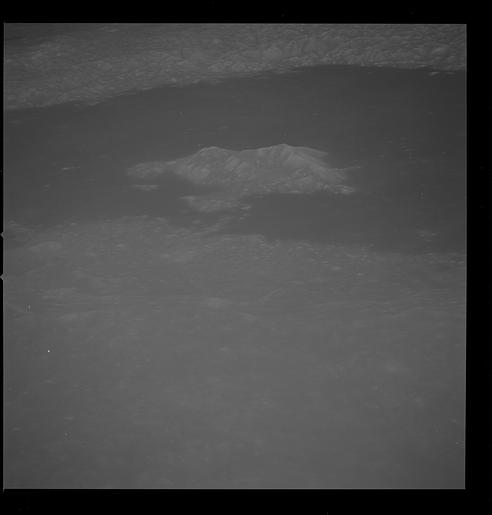
< AS08-13-2252 >
| NASA Photo ID | AS08-13-2252 |
| Focal Length | mm |
| Date taken | |
| Time taken | GMT |
Cloud masks available for this image:
Spacecraft nadir point:
Photo center point:
Photo center point by machine learning:
Photo center point:
Photo center point by machine learning:
Nadir to Photo Center:
Spacecraft Altitude: nautical miles (0km)Body:
Country or Geographic Name: | |
Features: | |
| Features Found Using Machine Learning: | |
Cloud Cover Percentage: | |
Sun Elevation Angle: | ° |
Sun Azimuth: | ° |
Camera: | |
Focal Length: | mm |
Camera Tilt: | |
Format: | |
Film Exposure: | |
| Additional Information | |
| Width | Height | Annotated | Cropped | Purpose | Links |
|---|---|---|---|---|---|
| 4400 pixels | 4600 pixels | No | No | Download Image | |
| 492 pixels | 515 pixels | No | No | Download Image |
Download Packaged File
Download a Google Earth KML for this Image
View photo footprint information
No GeoTIFF is available for this photo.Image Caption: This oblique view of the lunar surface was taken from the Apollo 8 spacecraft looking southward across the farside crater Tsiolkovsky which is centered near 129 degrees east longitude and 21 degrees south latitude. The flat floor of Tsiolkovsky is much darker than the surrounding lunar surface. It is darker than most of the mare material observed by the Apollo 8 crew. The dark material is about 125 kilometers (80 statute miles) across measured from the near-to far-side contsets in this view. The central peak, which stands as an "island" within the dark material, is about 40 kilometers (25 statute miles) long. High sun angle at the time of this photograph accentuates the contrast between light and dark material. The only boulders observed by the Apollo 8 crew had rolled from the light-colored peak onto the dark, smooth surface near the right hand end of the peak.